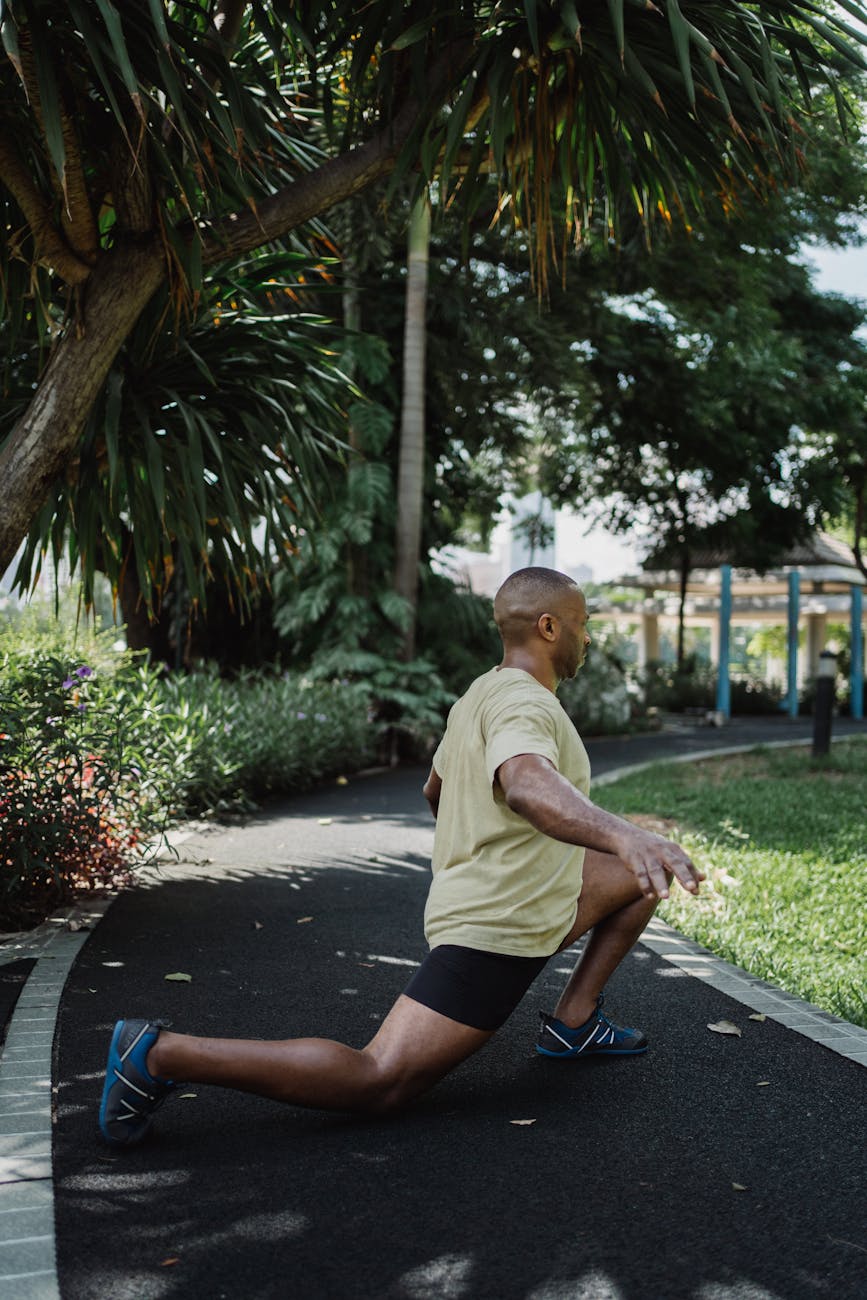
You wake up in the morning and your body feels tight. Your back resists bending, your hips feel locked, and even simple movements seem restricted. Maybe it eases as the day goes on, or maybe it lingers, quietly limiting how you move and feel.
Stiffness is one of the most common physical complaints people experience, yet it’s often misunderstood. Many assume it’s just “getting older,” something inevitable and irreversible. Others ignore it entirely until it starts affecting performance, comfort, or even sleep.
But stiffness is not random. It’s your body sending signals. And if you understand those signals, you can respond in ways that restore movement, reduce discomfort, and improve how your body feels day to day.
This article explores why you feel stiff, what’s actually happening inside your body, and, most importantly, what you can do about it.
What Does “Stiffness” Really Mean?
Stiffness is not a single condition. It’s a sensation often described as tightness, restriction, or resistance to movement.
It can show up as:
- Difficulty bending, twisting, or reaching
- Muscles that feel tight or shortened
- Joints that feel “stuck” or less mobile
- A general sense of heaviness or rigidity
Importantly, stiffness is not always the same as pain. You can feel stiff without pain and you can feel pain without stiffness.
At its core, stiffness is about reduced freedom of movement.
The Most Common Reasons You Feel Stiff
Stiffness rarely has a single cause. It’s usually the result of several overlapping factors.
1. Prolonged Sitting and Inactivity
Modern life encourages stillness. Hours at a desk, time spent on screens, long commutes, your body adapts to what you do most.
When you sit for long periods:
- Hip flexors shorten
- Glutes become inactive
- Upper back rounds forward
- Neck muscles tighten
Over time, your body begins to “lock in” these positions.
Result: You feel stiff when you try to move outside of them.
2. Lack of Movement Variety
Even if you exercise, doing the same movements repeatedly can create stiffness.
For example:
- Only lifting weights without mobility work
- Only running without strength training
- Repeating the same range of motion daily
Your body becomes efficient in a narrow range but restricted outside it.
Result: You feel tight in unfamiliar or underused positions.
3. Muscle Guarding and Tension
Your body is protective. When it senses stress, physical or emotional, it increases muscle tension.
This is called muscle guarding.
Triggers include:
- Stress and anxiety
- Previous injuries
- Poor posture
- Overuse
Your muscles stay slightly “on,” even when they don’t need to be.
Result: Persistent tightness and reduced mobility.
4. Poor Sleep and Recovery
Sleep is when your body repairs and resets.
When sleep is poor:
- Muscle recovery is impaired
- Inflammation can increase
- Nervous system sensitivity rises
You wake up feeling stiff, not because of movement, but because of lack of recovery.
5. Dehydration
Muscles and connective tissues rely on proper hydration.
When you’re dehydrated:
- Tissue elasticity decreases
- Movement feels less smooth
- Tightness becomes more noticeable
Even mild dehydration can contribute to stiffness.
6. Aging (But Not in the Way You Think)
Yes, stiffness tends to increase with age, but not simply because of aging itself.
It’s more about:
- Reduced activity levels
- Loss of strength
- Decreased movement variety
People who stay active and mobile often maintain excellent movement well into later life.
Result: Aging contributes indirectly, not inevitably.
7. Inflammation and Lifestyle Factors
Diet, stress, and lifestyle habits can influence inflammation levels in the body.
Higher inflammation can lead to:
- Joint stiffness
- Muscle soreness
- Reduced ease of movement
This doesn’t mean stiffness is always medical, but lifestyle plays a role.
Why Stiffness Feels Worse at Certain Times
1. Morning Stiffness
After hours of inactivity during sleep:
- Joints haven’t moved
- Circulation is lower
- Muscles are cooler
Movement gradually restores fluid flow and mobility.
2. After Exercise
Intense or unfamiliar exercise can lead to:
- Micro-damage in muscle tissue
- Temporary inflammation
- Delayed onset muscle soreness (DOMS)
This creates short-term stiffness.
3. At the End of the Day
Accumulated fatigue, posture, and stress can leave your body feeling tight and restricted by evening.
The Big Misconception: “I Need to Stretch More”
Stretching can help, but it’s not always the full solution.
Stiffness is often not just about “short muscles,” but about:
- Weakness in certain areas
- Poor control in ranges of motion
- Nervous system tension
- Lack of movement variety
If you only stretch without addressing these, the stiffness often returns.
What to Do About Stiffness
Addressing stiffness effectively requires a broader approach.
1. Move More, More Often
The simplest and most powerful solution is movement.
- Break up long periods of sitting
- Take short movement breaks every hour
- Walk, stretch, or change positions regularly
Consistency matters more than intensity.
2. Build Strength Through Full Ranges
Strength and mobility are deeply connected.
When you strengthen muscles through their full range:
- Your body feels safer moving there
- Control improves
- Stiffness decreases
Examples:
- Deep squats (within your ability)
- Controlled lunges
- Full-range upper body movements
3. Add Mobility Work (Not Just Stretching)
Mobility combines movement, strength, and control.
Instead of holding static stretches only, include:
- Dynamic stretches
- Controlled joint rotations
- Movement-based drills
This teaches your body how to use new ranges—not just reach them.
4. Improve Posture Through Awareness, Not Force
Trying to “sit perfectly straight” all day often backfires.
Instead:
- Change positions frequently
- Adjust your workspace
- Avoid staying in one posture too long
Your best posture is your next posture.
5. Manage Stress
Mental stress often becomes physical tension.
Helpful strategies:
- Deep breathing
- Mindfulness or relaxation practices
- Regular breaks from high-pressure environments
Reducing stress reduces unnecessary muscle tension.
6. Prioritise Sleep
Quality sleep improves:
- Muscle recovery
- Nervous system regulation
- Overall movement quality
Aim for consistency in sleep timing and environment.
7. Stay Hydrated
It’s simple but often overlooked.
- Drink water consistently throughout the day
- Adjust intake based on activity levels
Hydration supports tissue function and flexibility.
8. Warm Up Before Activity
Jumping straight into intense movement can increase stiffness.
A proper warm-up:
- Increases blood flow
- Prepares joints and muscles
- Reduces injury risk
Even 5–10 minutes can make a difference.
When Stiffness Might Need More Attention
Occasional stiffness is normal. But persistent or severe stiffness may need further evaluation.
Pay attention if you experience:
- Stiffness that doesn’t improve with movement
- Significant pain or swelling
- Limited range of motion over time
- Stiffness that disrupts daily activities
In these cases, seeking professional advice is a good step.
A Smarter Way to Think About Stiffness
Instead of seeing stiffness as something to “fix,” think of it as feedback.
Your body might be telling you:
- “I need more movement”
- “I need more variety”
- “I need better recovery”
- “I’m under too much stress”
When you respond to these signals, stiffness often decreases naturally.
Final Thoughts
Feeling stiff is incredibly common but it’s not something you have to accept as your baseline.
It’s rarely just about tight muscles. It’s about how you move, how often you move, how well you recover, and how your body adapts to your daily habits.
The solution isn’t a single stretch or quick fix. It’s a shift in how you treat your body:
- Move regularly
- Build strength and control
- Recover well
- Reduce unnecessary tension
When you do, stiffness becomes less of a constant presence and more of an occasional signal that’s easy to understand and address.
Because ultimately, your body isn’t working against you.
It’s responding to how you use it and it’s always capable of change.

 Stronger For Life