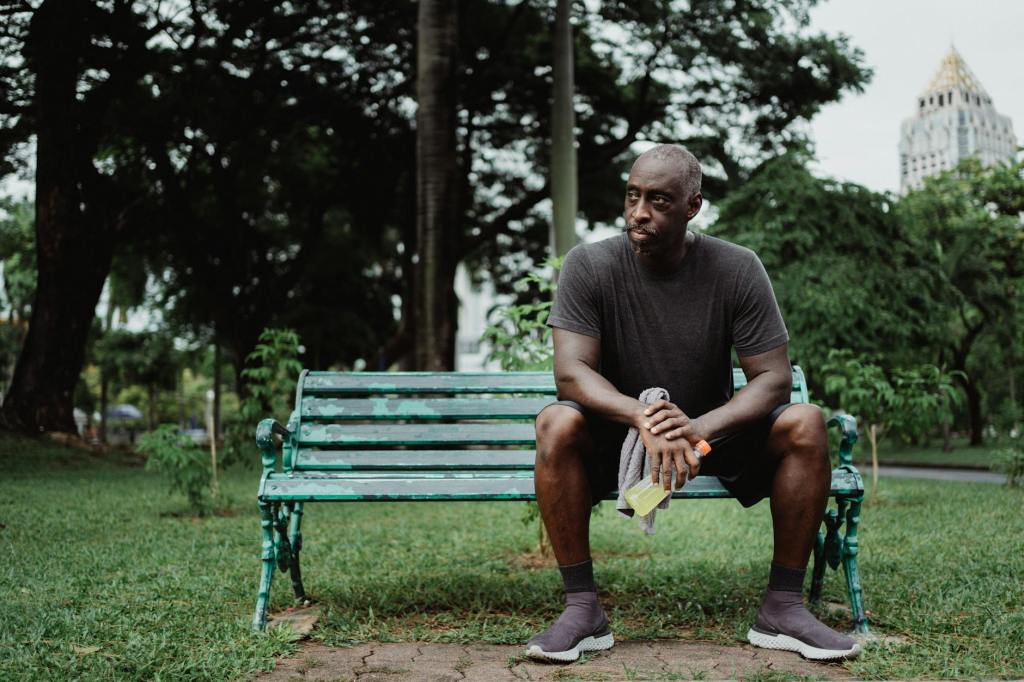
In everyday conversation, people often use phrases like “I’m just tired” or “I’m so unfit” interchangeably. After climbing a flight of stairs, struggling through a workout, or feeling drained halfway through the day, it can be difficult to tell whether what you’re experiencing is simple fatigue—or a deeper issue related to physical conditioning.
Understanding the difference between being tired and being unfit is more than just semantics. It can shape how you approach your health, how you structure your workouts, and even how you interpret your body’s signals. Misreading one for the other can lead to frustration, burnout, or stagnation. Recognizing the distinction, on the other hand, empowers you to make smarter decisions and build a sustainable path toward better wellbeing.
This article explores both states in depth—their causes, symptoms, overlaps, and how to address each effectively.
What Does It Mean to Be Tired?
Being tired is a temporary state of reduced energy. It’s your body’s natural response to exertion, lack of sleep, stress, or mental overload. Fatigue is not inherently negative—it’s a signal that your body needs rest or recovery.
Types of Tiredness
Tiredness isn’t one-dimensional. It can manifest in several ways:
Physical fatigue: This occurs after exertion—exercise, long hours of standing, or manual labor. Your muscles feel heavy, your movements slow down, and you may crave rest.
Mental fatigue: After intense concentration—studying, working, or problem-solving—you may feel foggy, distracted, or unmotivated.
Emotional fatigue: Stress, anxiety, and emotional strain can drain your energy just as much as physical activity.
Common Causes of Tiredness
- Lack of sleep or poor sleep quality
- Stress or emotional strain
- Overtraining without adequate recovery
- Poor nutrition or dehydration
- Illness or temporary health conditions
Key Characteristics of Tiredness
- Short-term: It typically resolves with rest, sleep, or relaxation
- Situation-dependent: It follows specific activities or periods of stress
- Reversible: A good night’s sleep or a break can restore energy
In essence, being tired is normal. It’s part of a healthy cycle of exertion and recovery.
What Does It Mean to Be Unfit?
Being unfit refers to a lack of physical conditioning. It is not about how you feel in a single moment, but rather your baseline level of strength, endurance, flexibility, and cardiovascular health.
Unlike tiredness, which comes and goes, fitness is a long-term state shaped by your habits and lifestyle.
Components of Fitness
To understand “unfitness,” it helps to break fitness into its core components:
- Cardiovascular endurance: How efficiently your heart and lungs supply oxygen during activity
- Muscular strength: The ability of muscles to exert force
- Muscular endurance: The ability to sustain repeated movements
- Flexibility and mobility: Range of motion in joints
- Body composition: The ratio of fat to lean mass
Being unfit generally means one or more of these areas are underdeveloped.
Common Causes of Being Unfit
- Sedentary lifestyle
- Lack of regular exercise
- Poor diet over time
- Chronic inactivity due to injury or illness
- Long-term neglect of physical health
Key Characteristics of Being Unfit
- Persistent: It doesn’t disappear after rest
- Baseline limitation: Even simple tasks may feel difficult
- Progress-dependent: Improvement requires consistent training over time
Being unfit is not a temporary condition—it’s a starting point.
The Key Differences Between Being Tired and Being Unfit
Although they can feel similar, tiredness and unfitness differ in several critical ways:
Duration
- Tired: Temporary; resolves with rest
- Unfit: Long-term; requires sustained effort to change
Cause
- Tired: Acute factors (sleep loss, stress, recent activity)
- Unfit: Chronic lack of conditioning
Recovery
- Tired: Recovery is quick—hours to days
- Unfit: Improvement takes weeks or months
Performance Pattern
- Tired: You may usually perform well but struggle on certain days
- Unfit: Performance is consistently limited
Response to Exercise
- Tired: Exercise may feel unusually difficult compared to your norm
- Unfit: Exercise always feels difficult, especially at the beginning
Why People Confuse the Two
It’s incredibly common to mistake tiredness for being unfit—or vice versa. Here’s why:
Overlapping Symptoms
Both states can include:
- Shortness of breath
- Muscle fatigue
- Low motivation
- Reduced performance
Without context, these feel identical.
Lack of Body Awareness
If you’re not used to paying attention to your body’s patterns, it’s hard to distinguish between a temporary dip and a long-term limitation.
Inconsistent Habits
People who exercise sporadically often experience both:
- They feel unfit due to inconsistency
- They feel tired because they overexert when they do exercise
Cultural Narratives
Many people are conditioned to push through fatigue, assuming it means they are weak or unfit—when in reality, their body just needs rest.
How to Tell Whether You’re Tired or Unfit
Here are practical ways to differentiate:
Ask Yourself: “Is This My Normal?”
- If you usually perform better, you’re likely tired
- If this level of difficulty is consistent, you may be unfit
Look at Recovery
- Do you feel significantly better after sleep or a rest day? → Tired
- Do you still struggle after rest? → Possibly unfit
Track Patterns Over Time
Keep a simple log:
- Energy levels
- Exercise performance
- Sleep quality
Patterns will reveal the truth.
Consider Your Lifestyle
- Regular exercise but poor sleep → likely tired
- Little to no exercise over time → likely unfit
The Dangers of Misinterpreting the Signals
Misunderstanding your body can have real consequences.
Mistaking Tiredness for Unfitness
This can lead to:
- Overtraining
- Burnout
- Injury
- Chronic fatigue
You push harder when you actually need rest.
Mistaking Unfitness for Tiredness
This can lead to:
- Avoidance of exercise
- Stagnation
- Declining health
- Frustration with lack of progress
You rest when you actually need consistent effort.
How to Address Tiredness
If you’re tired, the solution is recovery—not more intensity.
Prioritise Sleep
- Aim for consistent, high-quality sleep
- Establish a regular bedtime routine
Manage Stress
- Incorporate relaxation techniques
- Reduce unnecessary mental load
Optimize Nutrition
- Eat balanced meals
- Stay hydrated
Adjust Training Load
- Take rest days
- Use lighter sessions when needed
Listen to Your Body
Fatigue is feedback, not failure.
How to Address Being Unfit
If you’re unfit, the solution is gradual, consistent improvement.
Start Small
- Begin with manageable workouts
- Focus on consistency, not intensity
Build a Routine
- Schedule regular activity (3–5 times per week)
- Make it part of your lifestyle
Progress Gradually
- Increase duration or intensity slowly
- Track improvements over time
Mix Training Types
- Cardio for endurance
- Strength training for muscle
- Mobility work for flexibility
Be Patient
Fitness is built over months and years—not days.
When You’re Both Tired and Unfit
This is a very common scenario.
If you’re starting from a low fitness base and also dealing with poor sleep or stress, you may feel:
- Constant fatigue
- Low motivation
- Difficulty sticking to routines
What to Do
- Fix recovery first (sleep, stress, nutrition)
- Start with very low-intensity activity
- Focus on building consistency before pushing intensity
This balanced approach prevents burnout and builds a sustainable foundation.
The Role of Mindset
Your interpretation of effort matters.
- Feeling tired doesn’t mean you’re weak
- Being unfit doesn’t mean you’re incapable
Both states are simply information.
Reframe the Experience
- Tired = “I need recovery”
- Unfit = “I need consistency”
This shift removes judgment and encourages action.
Final Thoughts
Being tired and being unfit may feel similar in the moment, but they are fundamentally different states. One is temporary and signals the need for rest. The other is long-term and signals the need for adaptation.
Learning to distinguish between the two is a powerful skill. It allows you to train smarter, recover better, and build a healthier relationship with your body.
The goal isn’t to eliminate tiredness or instantly become fit—it’s to understand what your body is telling you and respond appropriately.
Because progress doesn’t come from pushing blindly.
It comes from listening, adjusting, and moving forward with intention.

 Stronger For Life