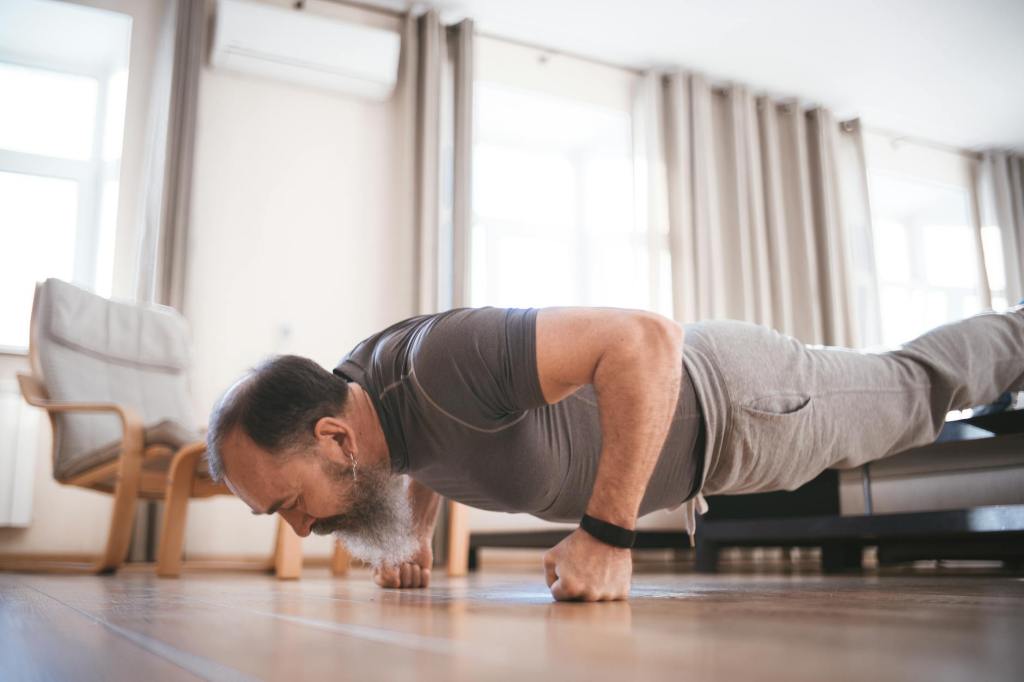
There’s a moment many people hit sometime after 40 where fitness starts to feel… different.
Maybe workouts feel harder than they used to. Recovery takes longer. Progress seems slower. Or perhaps you’re starting from scratch after years of focusing on career, family, or other priorities. And the question naturally arises:
“How long is this actually going to take?”
It’s a fair question—and an important one. Because expectations shape motivation. If you think getting fit will take forever, you might not start. If you expect instant results, you might quit too soon.
The truth sits somewhere in between.
Getting fit after 40 is absolutely achievable—but it follows a different timeline, with different rules, than it might have in your 20s. This article breaks down what “getting fit” really means, how long it realistically takes, what changes after 40, and how to approach the process in a way that actually works.
What Does “Getting Fit” Actually Mean?
Before talking about timeframes, we need to define the goal.
“Getting fit” is often used loosely, but it can include several different outcomes:
- Improving cardiovascular endurance
- Building strength and muscle
- Losing body fat
- Increasing mobility and flexibility
- Feeling more energetic and capable
Each of these adapts at a different rate. So when people ask how long it takes to “get fit,” the real answer is:
It depends on what kind of fitness you’re aiming for.
The Short Answer: A Realistic Timeline
Let’s start with a practical overview.
If you’re consistent, here’s what most people can expect after 40:
- 2–4 weeks → You feel better (more energy, slightly easier movement)
- 4–8 weeks → Noticeable improvements in strength and endurance
- 8–12 weeks → Visible changes in body composition and fitness
- 3–6 months → Significant transformation in fitness level
- 6–12 months → Strong, sustainable, long-term results
This might sound slower than you’d like—but it’s faster than most people expect when done properly.
Why Fitness After 40 Feels Different
Let’s address the elephant in the room: yes, your body does change with age. But not in the way many people think.
1. Recovery Takes Longer
You can still train hard—but your body needs more time to repair and adapt.
- Muscles take longer to recover
- Joints may feel more sensitive
- Sleep quality becomes more important
This doesn’t slow progress—it just changes how you structure training.
2. Muscle Mass Naturally Declines (But Is Reversible)
After 30–40, people can lose muscle over time if they’re inactive. This is often called age-related muscle loss.
However:
- Strength training can rebuild muscle at any age
- Many people gain muscle for the first time after 40
The key is consistency—not age.
3. Hormonal Changes
Hormones that support muscle growth and recovery may shift slightly.
But here’s the important part:
- These changes influence progress—they don’t stop it
- Lifestyle (sleep, nutrition, training) plays a bigger role
4. Lifestyle Constraints
This is often the biggest factor—not biology.
After 40, many people juggle:
- Careers
- Family responsibilities
- Limited time
This affects consistency more than anything else.
The First Phase: Weeks 1–4 (The “Wake-Up” Phase)
When you begin training, your body responds quickly—but not in the way you might expect.
What Happens:
- Your nervous system becomes more efficient
- Movement feels less awkward
- Energy levels improve
- You may feel less stiff
What You Won’t See Yet:
- Major physical changes
- Significant fat loss
- Big muscle growth
This phase is about adaptation, not transformation.
The Second Phase: Weeks 4–8 (The “Progress” Phase)
Now things start to shift.
What Happens:
- Strength increases noticeably
- Cardio feels easier
- Workouts feel more manageable
- Confidence grows
You may also begin to notice:
- Slight physical changes
- Clothes fitting differently
This is where many people either build momentum—or lose it.
The Third Phase: Weeks 8–12 (The “Visible Change” Phase)
This is where results become more obvious.
What Happens:
- Muscle tone becomes more visible
- Body fat may decrease
- Posture improves
- Movement feels smoother and stronger
This is often when others start to notice changes too.
The Long Game: 3–12 Months
This is where real transformation happens.
By 3–6 Months:
- You are significantly fitter than when you started
- Strength and endurance are clearly improved
- Your body looks and feels different
By 6–12 Months:
- Fitness becomes part of your identity
- Results are sustainable
- You’ve built a strong foundation for long-term health
At this point, you’re not just “getting fit”—you are fit.
What Slows Progress After 40 (And How to Avoid It)
1. Doing Too Much Too Soon
Many people try to train like they did in their 20s.
Result:
- Burnout
- Injury
- Loss of motivation
Solution:
- Start moderate
- Build gradually
2. Ignoring Recovery
Recovery is no longer optional—it’s essential.
Solution:
- Prioritize sleep
- Schedule rest days
- Manage stress
3. Inconsistency
Missing workouts occasionally isn’t the problem.
Repeated inconsistency is.
Solution:
- Focus on routine over intensity
- Make workouts realistic and sustainable
4. Poor Nutrition
You don’t need extreme diets—but you do need support for your training.
Solution:
- Eat enough protein
- Stay hydrated
- Avoid drastic restrictions
The Fastest Way to Get Fit After 40 (Without Burning Out)
If you want the most efficient path, focus on these principles:
1. Strength Training Is Non-Negotiable
- 2–4 sessions per week
- Focus on major movements
- Build gradually
This supports muscle, metabolism, and overall function.
2. Add Cardiovascular Work
- Walking, cycling, or interval training
- 2–3 sessions per week
This improves heart health and endurance.
3. Include Mobility Work
- Helps reduce stiffness
- Improves movement quality
- Supports long-term consistency
4. Keep It Sustainable
The best plan is the one you can stick to for months—not days.
The Truth About “Quick Transformations”
You may see 6-week transformations online—but these often involve:
- Extreme training
- Strict diets
- Unsustainable routines
After 40, the goal isn’t just fast results—it’s lasting results.
A slower, consistent approach:
- Protects your joints
- Builds real strength
- Creates habits that stick
A Mindset Shift That Changes Everything
Instead of asking:
“How fast can I get fit?”
Ask:
“How can I stay consistent for the next 6–12 months?”
Because that’s where the real change happens.
What “Fit After 40” Actually Looks Like
It’s not about looking like your 20-year-old self.
It’s about:
- Moving without pain
- Having energy throughout the day
- Feeling strong and capable
- Maintaining independence long-term
Fitness after 40 is less about aesthetics—and more about quality of life.
Final Thoughts
So, how long does it take to get fit after 40?
- You’ll feel better within weeks
- You’ll see changes within months
- You’ll transform your fitness within a year
But the real answer is this:
It takes as long as it takes to become consistent.
Age doesn’t stop you from getting fit.
It just asks you to approach it more intelligently.
And when you do, you may find that getting fit after 40 isn’t harder—
it’s just more intentional, more sustainable, and ultimately more rewarding.

 Stronger For Life